One-line positioning
James Allister Odd is an investigator and interdisciplinary researcher whose work examines hidden structures across evidence, perception, and human ability.
JAMES ALLISTER ODD / PRESS ROOM
James Allister Odd investigates hidden structures across evidence, perception, and human ability.
An Oregon investigator and digital-forensics examiner, he founded OMAT Institute and wrote The Hidden Shape of Music, presenting an exploratory framework for tonal, performative, and expressive musicianship.
01 / MEDIA NOTE
Odd’s public work moves between investigative reasoning and the study of musicianship. The common method is close attention: separate the parts, test the evidence, and resist conclusions that outrun the record.
OMAT Institute is the principal public research project. Its proposed Musical Aptitude Triad describes tonal, performative, and expressive dimensions of musicianship without collapsing them into a single ranking.
His investigative and forensic record supplies the professional context. Photography, publishing, and music remain part of the wider practice, disclosed selectively and through finished work rather than constant personal narration.
02 / PRIMARY STORY / OMAT
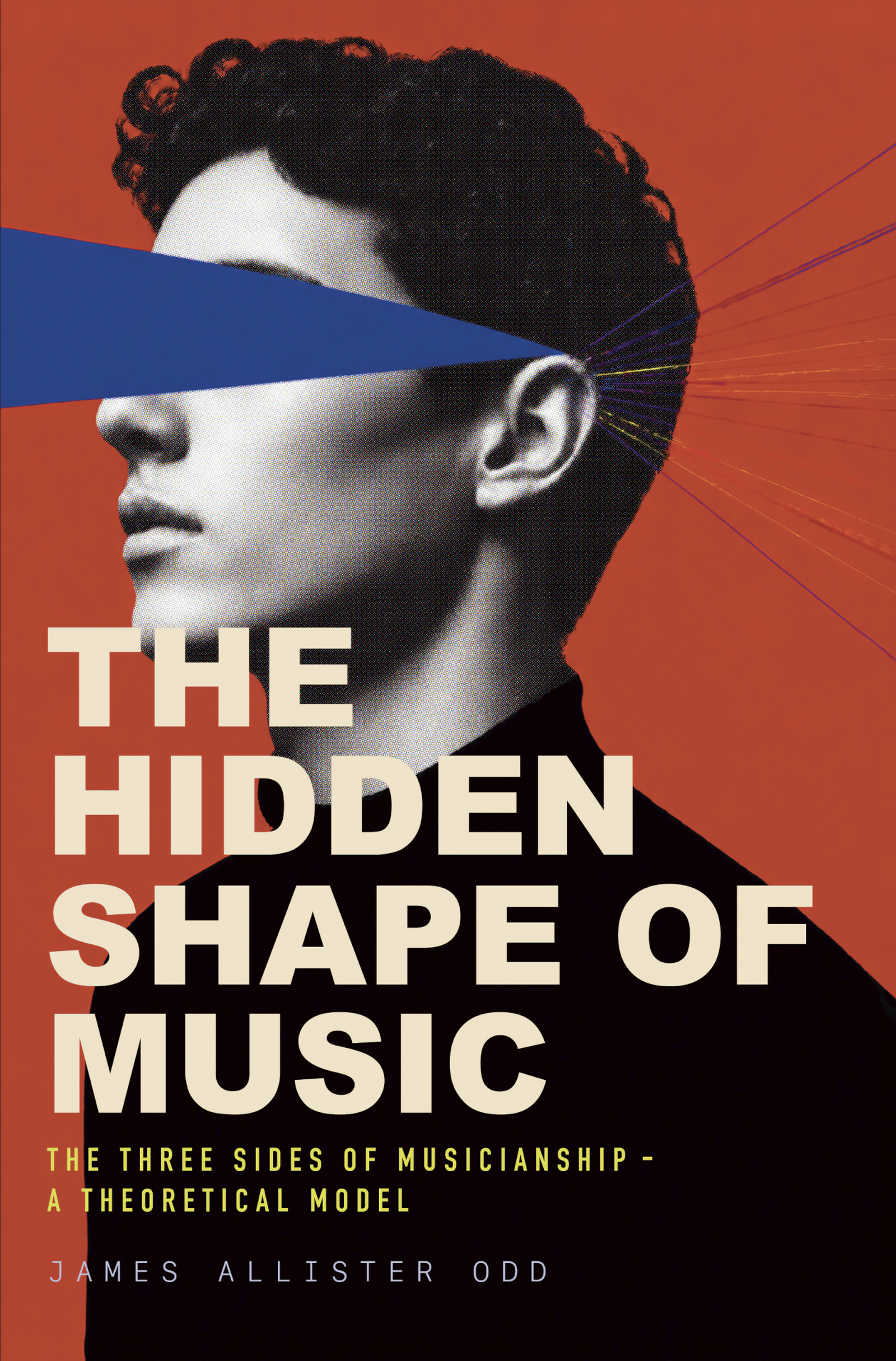
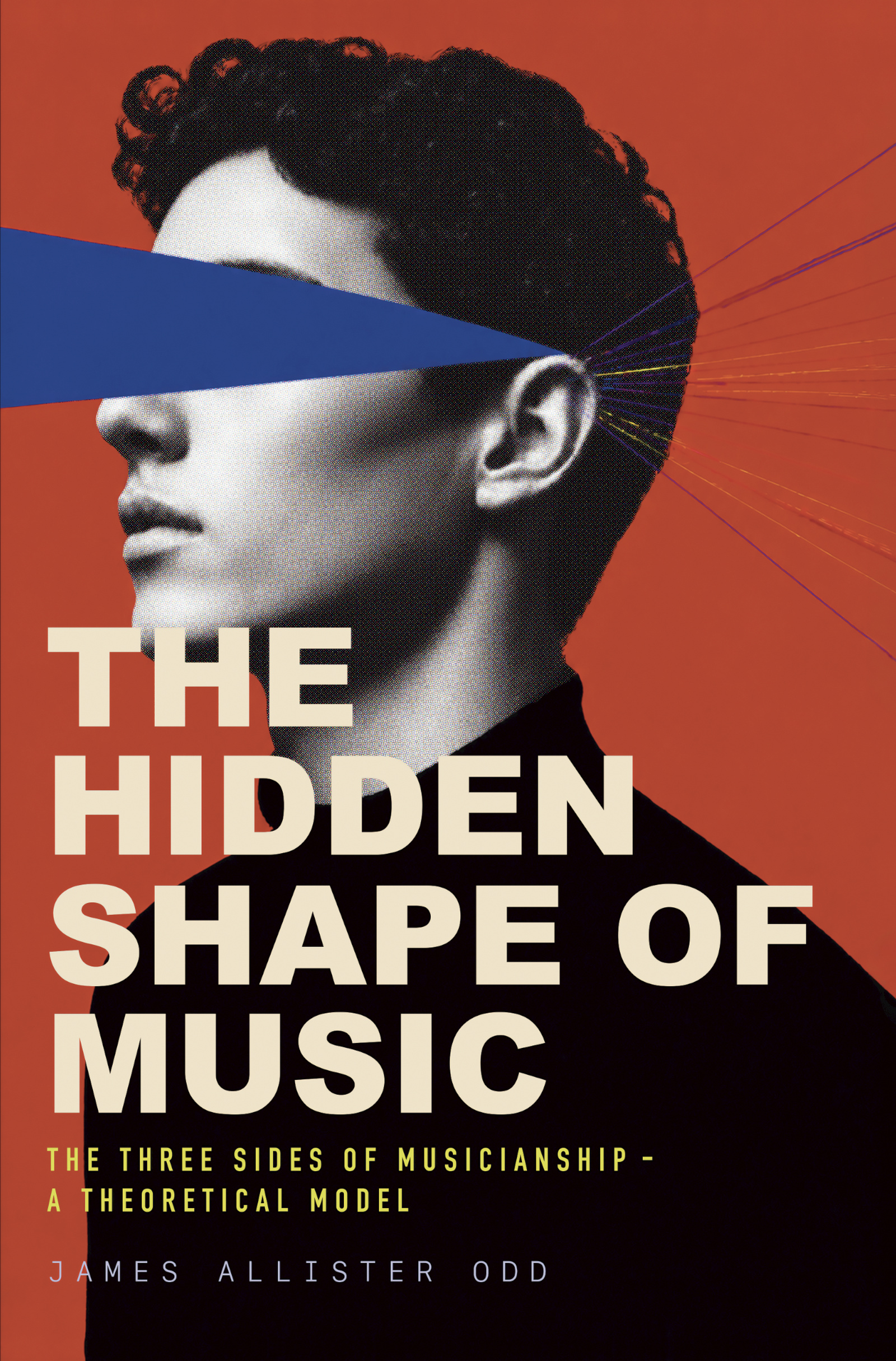
The Three Sides of Musicianship — A Theoretical Model
The book presents the Musical Aptitude Triad: a proposed way to describe musicianship through tonal structure and perception, performative execution and coordination, and expressive interpretation and communication.
OMAT turns the proposal into inspectable public tools, including an exploratory questionnaire, an Ensemble Planner, published scoring rules, privacy boundaries, limitations, release history, and a roadmap for the validation work that remains.
03 / BIOGRAPHY FILES
These versions may be reproduced for editorial introductions, event listings, and interview notes. Please preserve the OMAT limitations in contexts that discuss the framework or questionnaire.
James Allister Odd is an investigator and interdisciplinary researcher whose work examines hidden structures across evidence, perception, and human ability.
James Allister Odd is an Oregon investigator, digital-forensics examiner, interdisciplinary researcher, photographer, and author. He leads NTRLNK and founded OMAT Institute, where he develops the proposed Musical Aptitude Triad: a framework describing tonal, performative, and expressive dimensions of musicianship. He is the author of The Hidden Shape of Music and a guide to cricket.
James Allister Odd is an Oregon investigator, digital-forensics examiner, interdisciplinary researcher, photographer, and author. He leads NTRLNK, an investigative and forensic practice, and founded OMAT Institute, an independent research program examining music, information, and cognition. OMAT’s current work centers on the proposed Musical Aptitude Triad, which distinguishes tonal, performative, and expressive dimensions of musicianship. Odd is the author of The Hidden Shape of Music and The American Guide to the Laws of Cricket. Across his professional and research work, he is concerned with how evidence is separated, tested, interpreted, and communicated without reducing a complex record to one convenient conclusion.
James Allister Odd is a Pacific Northwest-based investigator, digital-forensics examiner, interdisciplinary researcher, photographer, and author. He leads NTRLNK, an Oregon investigative and forensic practice serving attorneys, organizations, insurers, and private clients. His professional work spans more than sixteen years across investigation, digital forensics, complex evidence analysis, litigation support, federal program leadership, and expert-witness work. Odd founded OMAT Institute as an independent research program at the meeting point of music, information, and cognition. Its central proposal, the Musical Aptitude Triad, describes tonal, performative, and expressive dimensions of musicianship while treating accumulated developmental breadth and depth separately. The public questionnaire and related tools are exploratory instruments designed to make the theory inspectable and testable; they are not validated, normed, diagnostic, predictive, or selection-ready assessments. Odd is the author of The Hidden Shape of Music: The Three Sides of Musicianship — A Theoretical Model and The American Guide to the Laws of Cricket. His broader work includes academic research in digital forensics and investigative methodology, Pacific Northwest photography, and selected publishing and archival projects.
04 / INTERVIEW MAP
Why tonal understanding, physical execution, and expressive communication may deserve separate attention.
How the proposed tonal, performative, and expressive domains work together without becoming interchangeable.
What investigative habits—corroboration, alternative explanations, limitations, and proportionate conclusions—bring to musical inquiry.
Why complex abilities can lose meaning when they are compressed into one score or one convenient label.
The value of publishing scoring rules, provenance, privacy boundaries, release history, and unresolved validation work.
A conversation about investigative reasoning, digital evidence, and the discipline of separating findings from unresolved questions.
HOST NOTES / SUGGESTED QUESTIONS
08 PROMPTS05 / VERIFIED RECORD
A compact public record for editors and producers. Full qualification materials are available for serious professional inquiries.
[01] current practice
Oregon licensed since 2011 · Criminal, civil, digital-evidence, and litigation-support matters
[02] investigative scope
Witness interviews · Records and timeline analysis · Financial analysis · Digital evidence · Case reconstruction
[03] federal leadership
15+ years of federal service · Branch Chief, Litigation & Forensic Services · Litigation Forensics Investigator · eDiscovery · Evidence collection · Litigation holds · Nationwide program leadership
[04] courtroom
Digital forensics · Electronic evidence · Investigative findings · Direct and cross-examination
[05] credentials
GIAC Certified Forensic Analyst · Certified Fraud Examiner
[06] education
BS, Information Technology · AAS, Electronic Engineering
06 / MEDIA ASSETS
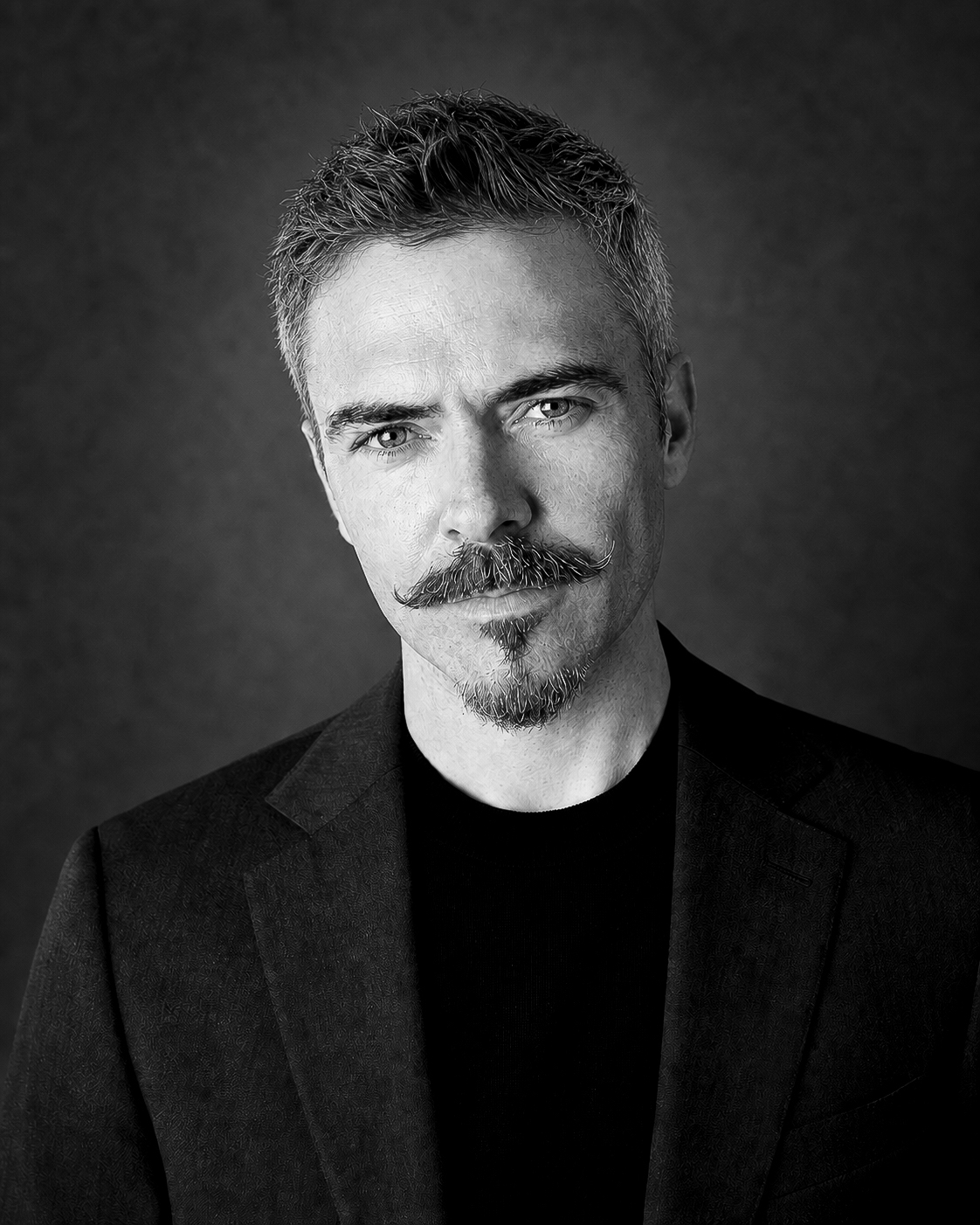
Three approved likenesses provide a formal portrait, a horizontal environmental composition, and a more reserved monochrome alternative. Each file is supplied at its native resolution with its editorial status stated plainly.

Primary portrait for biographies, author and speaker profiles, event listings, and media-kit use.
1122 × 1402 pixels / sRGB
Download JPG ↓
Horizontal alternative for interviews, feature layouts, podcast artwork, and event promotion.
1536 × 1024 pixels / sRGB
Download JPG ↓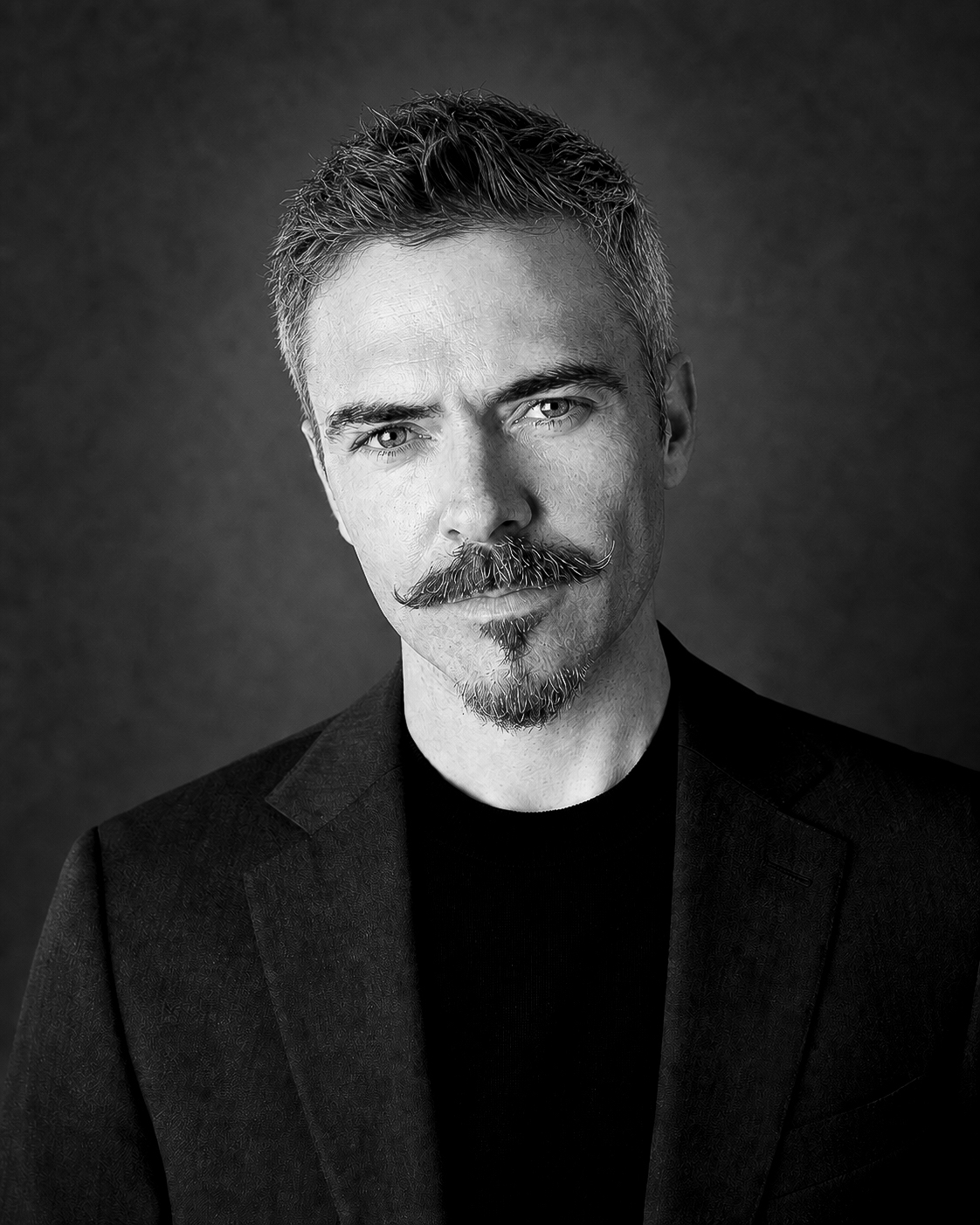
A more reserved alternative for long-form profiles, essays, and editorial features.
1122 × 1402 pixels / sRGB
Download JPG ↓A compact print-ready dossier with the positioning, biographies, OMAT facts, professional record, and interview map.
Download press brief ↓High-resolution first-edition cover, 1600 × 2430 pixels. Contact press before publication for the current editorial-use note.
Download book cover ↓All three editorial compositions, the lossless primary portrait, exact dimensions, preferred credit, and the image-origin note.
Download portrait package ↓07 / CONTACT CHANNELS
Include the outlet or event, proposed subject, format, anticipated date, and deadline. Background material can be provided when it is relevant to the assignment.